Modern dentistry is in the midst of a remarkable transformation. Gone are the days of the old-fashioned dental impression, the hand-measured dental gauge and the simple X-ray. Today’s advanced digital technologies are changing the way dentists diagnose oral health conditions, plan treatments and deliver care. Digital dentistry is a revolutionary approach that is making dental visits quicker, more comfortable and significantly more accurate.
We at Alora Dental Wellness and Advanced Orthodontics utilize state-of-the-art technology as an essential part of our patient care. Digital dentistry not only improves treatment outcomes but also enhances overall patient experience by reducing discomfort, shortening treatment times, and providing highly precise results.
Understanding Digital Dentistry
Digital dentistry is the application of digital technologies and computer-based systems for dental procedures, diagnosis, treatment planning, and restorative work. Old-fashioned techniques are out—dentists are now using sophisticated imaging tools, 3D scanners, computer-aided design software, and digital treatment planning systems to provide more effective, accurate care.
These innovations provide dentists with the chance to collect detailed information about a patient’s oral health, to visualize treatment outcomes before procedures begin, and to perform treatments with greater precision than ever before.
Today, digital dentistry is widely used in:
- General dental care
- Cosmetic dental work
- Orthodontics
- Dental implant operation
- Restorative dentistry
- Oral surgery
- Children’s Dentistry
The result is a more predictable, patient-friendly approach to oral health care.
Why Digital Dentistry Matters
In the past, conventional dentistry often involved several appointments, unpleasant impressions,s and lengthy delays for restorations. They worked, but there were possibilities for human error and patient discomfort.
Digital dentistry offers technology-enabled solutions to these problems, enhancing all aspects of dental care.
Key benefits include:
- Faster, more accurate diagnosis
- Better Treatment Planning
- Better communication between dentist and patient
- Reduced treatment time
- Greater comfort during procedures
- Improved long-term outcomes
For patients, that means less time in the dental chair and more confidence in their result.
Advanced Diagnostic Accuracy
One of the greatest advantages of digital dentistry is the opportunity to diagnose oral health issues earlier and with greater precision.
X-ray digital
Most modern dental practices have replaced traditional film X-rays with digital radiography. The high-resolution images can be viewed directly on a computer screen and allow the dentist to identify problems with remarkable clarity.
Digital X-rays can help to identify:
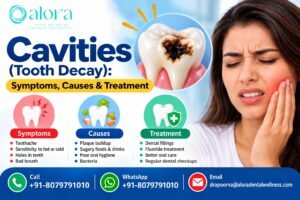
- Caries
- Loss of bone
- Periodontal disease
- Root infections
- Erupted teeth
- Jaw deformities
The images are so detailed that dentists can identify problems much earlier. Getting it early often means treatment that is less complicated, less costly, and better for long-term oral health.
3D Imaging and CBCT Scans
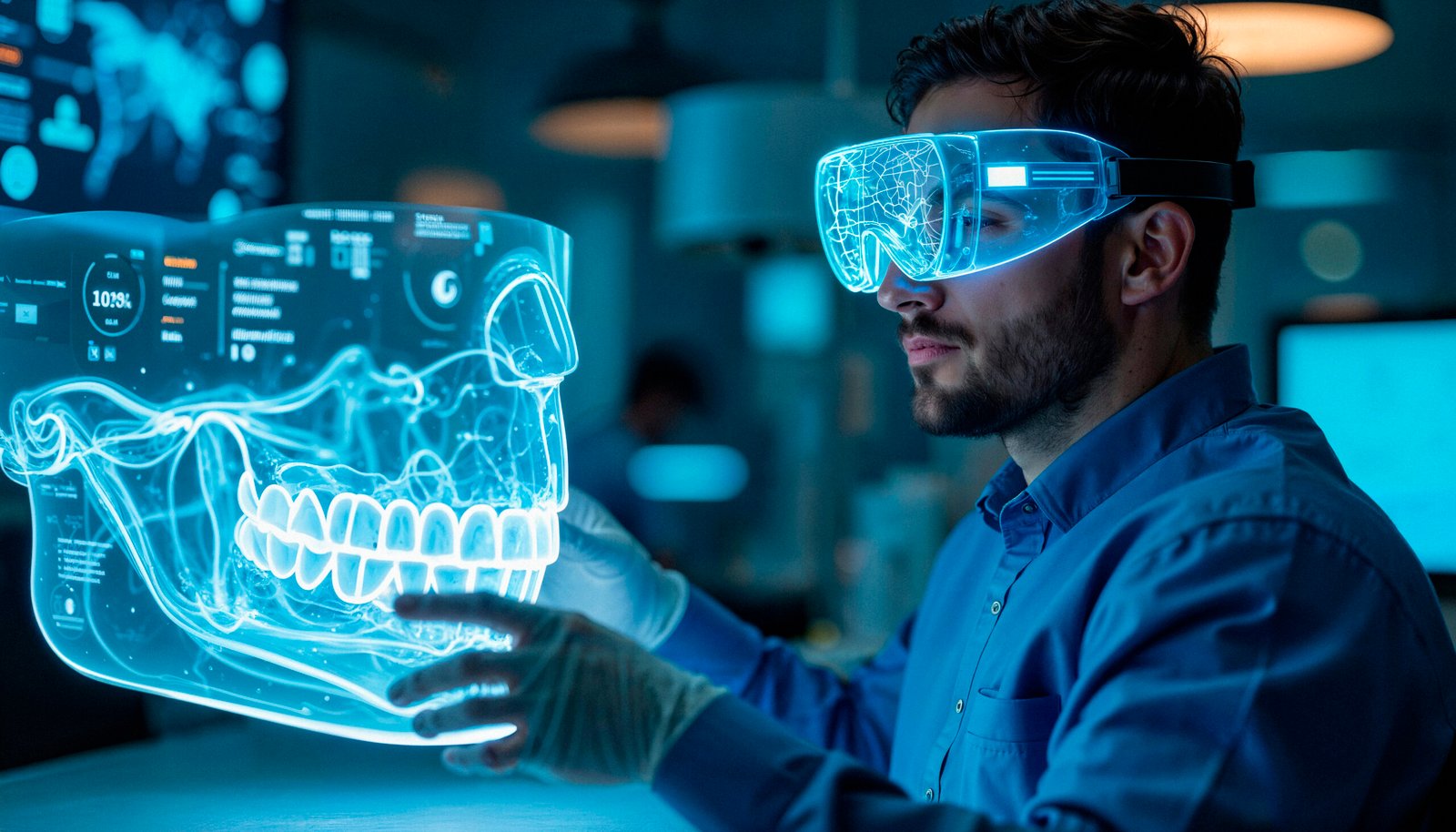
Dental imaging has been revolutionized by cone beam computed tomography (CBCT). Traditional X-rays give flat images, but CBCT offers detailed, three-dimensional images of teeth, jawbone, nerves and surrounding structures.
This technology is especially helpful in the following areas:
- Planning for dental implants
- Orthodontic assessments
- Assessment of wisdom teeth
- Root canal treatment
- Planning of oral surgery
CBCT allows dentists to view the patient’s anatomy in its entirety, which helps them make better choices and prevent potential complications.
The End of Messy Dental Impressions
Many patients recall traditional dental impressions as one of the least enjoyable aspects of dental treatment. Large trays filled with impression material often caused discomfort, gagging, and anxiety.
Intraoral Scanners
Digital dentistry has largely eliminated this issue through the use of intraoral scanners.
These handheld devices capture thousands of images per second and create highly accurate 3D digital models of the teeth and gums.
Benefits include:
- No messy impression materials
- Reduced gag reflex
- Faster appointments
- Greater patient comfort
- More accurate results
Patients can even view their digital scans immediately on screen, aiding them in understanding their oral condition better and treatment needs.
Better Treatment Planning Through Technology
One of the most exciting aspects of digital dentistry is the ability to plan treatments with incredible precision.
Dentists can use specialized software to create virtual models of a patient’s mouth and simulate procedures before treatment begins.
This allows for:
- More predictable results
- Treatment strategies tailored to you
- Improved accuracy
- Fewer treatment risks
When dentists are planning orthodontic treatment, cosmetic procedures, or dental implants, digital instruments allow them to see the result before doing any clinical work.
Digital Dentistry in Orthodontics
Orthodontics has experienced one of the most significant transformations through digital technology.
Before, orthodontic treatment would typically involve a physical mold and a long planning process. Today, digital scans and computer software have streamlined every aspect of treatment.
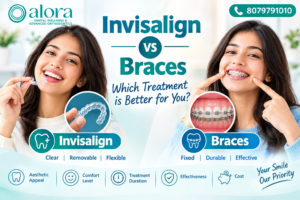
Clear Aligner Technology
Clear aligner treatments demand digital dentistry.
Digital scans can be used by orthodontists to:
- Track tooth movement precisely
- Design your own aligners
- Predict treatment outcomes
- Track progress effectively
Patients can often view a digital simulation of their future smile prior to treatment beginning, increasing confidence and motivation throughout the process.
Improved Dental Implant Procedures
Dental implants require extreme precision for long-term success.
Digital dentistry has transformed the planning and placement of implants by combining:
- CBCT imaging
- Digital impressions
- Computer-aided surgery
These technologies assist dentists in discovering:
- Bone density and quality
- Best position for the implant
- Nerve sites
- Design restoration
Thus, implant procedures are safer, more accurate, and more predictable.
Patients benefit from better aesthetics, improved function, and a higher likelihood of long-term success.
Faster and More Accurate Restorations
Making dental restorations such as crowns, bridges, veneers, and inlays traditionally required multiple appointments and extensive laboratory work.
CAD/CAM Technology
Introduction of computer-aided design and computer-aided manufacture (CAD/CAM) technology has revolutionized the process.
The workflow usually consists of:
- Digital tooth scanning
- Restoration computerized design
- Manufacturing Precision
Benefits are:
- Excellent accuracy
- Restorations that look natural
- Better fit
- Shorter course of treatment
- Less fiddling
Since restorations are designed digitally, patients get more accurate and esthetic results.
Enhanced Patient Communication
One challenge many dentists face is helping patients understand complex dental issues.
Digital dentistry solves this problem by making oral health conditions visually accessible.
With digital images and 3D models, dentists can clearly show patients:
- Areas of decay
- Gum disease progression
- Bone loss
- Tooth alignment problems
- Treatment options
When patients can view what the dentist sees, they are more likely to understand the need for treatment and actively participate in their oral healthcare decisions.
Increased Comfort and Reduced Anxiety
Fear of pain, the unknown, or previous bad experiences are the most common reasons for dental anxiety.
Digital dentistry can help to address these concerns with a more comfortable treatment process.
The benefits for patients are:
- Minimally invasive surgeries
- Smaller appointments.
- Fewer return visits
- Less suffering
- More knowledge of treatment processes
Knowing what to expect can go a long way in reducing stress and enhancing overall satisfaction.
The Role of Artificial Intelligence in Digital Dentistry
Artificial Intelligence (AI) is a new, important element of modern dentistry.
AI-powered software can help dentists by:
- Spotting the first signs of cavities
- Detecting bone loss
- Radiograph interpretation
- Supporting treatment planning
- Improving diagnostic accuracy
Dentists are still the ones making the clinical decisions, but AI is a great tool to bring more precision and efficiency.
The Future of Dental Care
Digital dentistry is an area that is moving very fast.
- Future possible developments:
- Same-day dental restorations
- More tailored treatment planning
- Solutions for faster orthodontics
- More accurate implants
- Monitoring and Predicting Oral Health
Such technologies will continue to enhance patient comfort, treatment efficiency, and long-term results.
Start Your Smile Transformation Today
Digital dentistry is the future of oral health care in terms of advanced technology and clinical expertise. From digital x-rays and intraoral scanners to CBCT imaging and CAD/CAM restorations, these innovations offer a more accurate, effective and comfortable dental experience.
At Alora Dental Wellness And Advanced Orthodontics, digital dentistry helps ensure precise diagnosis, personalized treatment planning, and exceptional results for every patient. Whether you require preventive care, orthodontic treatment, cosmetic dentistry, or dental implants, digital technology allows for safer procedures, faster treatment times, and improved outcomes.
As dentistry continues to advance, digital solutions are making it easier than ever to achieve and maintain a healthy, confident smile.