A healthy smile is a key component of health, self-confidence, and well-being. Our teeth and gums allow us to eat and talk each day properly. Unfortunately, dental issues may arise at any age, and often many oral conditions start with small symptoms that we may ignore. Painful teeth, blood-filled gums, sensitivity, bad breath, cavities, and crooked or missing teeth are among the most frequent issues that people face. Some conditions may be prevented by maintaining proper oral care and lifestyle, while other cases may need additional dental assistance. Early identification of any possible problems in your mouth and a timely visit to a dental expert will keep your teeth healthy and safe.
1. Tooth Decay and Dental Cavities
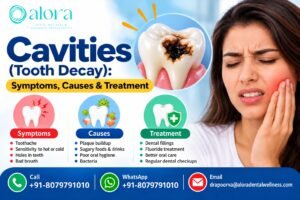
Decay of teeth is among the most common dental issues globally. This problem arises from the interaction between bacteria found in dental plaque and the sugar content of foods and drinks. The acid produced leads to weakening of the enamel. If not removed, plaque keeps attacking the enamel with acids, leading to the formation of cavities in the tooth. At the initial stages, there are no symptoms of this condition because the affected area does not hurt. Therefore, it is crucial to undergo dental examinations regularly.
As tooth decay worsens, it penetrates deep into the tooth, leading to sensitivity and pain. One experiences pain when consuming sugary foods or drinks and also hot/cold fluids. A person can observe a dark spot or a small hole developing on the tooth. When tooth decay gets deeper into the tooth, it affects the dental pulp, causing painful conditions.
Common signs of cavities include:
- Sensitivity to hot, cold, or sweet foods
- Small holes or visible pits in the teeth
- Dark, brown, or white spots
- Pain while chewing
- Persistent toothache
- Food getting trapped around a particular tooth
The treatment of tooth decay usually depends on the extent of decay. Early cases may be addressed using prevention methods and fluoride treatments, whereas decayed cavities may require a dental filling. When the tooth decay affects the inside part of the tooth called pulp, then root canal therapy becomes inevitable in order to save the tooth.
2. Gum Disease and Bleeding Gums
Healthy gums should generally look firm and pink and should not bleed during normal brushing or flossing. Gum disease commonly begins when plaque accumulates around the teeth and gumline. Failure to remove plaque effectively may result in irritate the gums and cause inflammation. The early stage is known as gingivitis. If the condition is neglected, it can progress into periodontitis, which can affect the tissues and bone supporting the teeth.
Bleeding gums should not simply be considered normal. Regular bleeding, swelling, redness, tenderness, persistent bad breath, or gum recession can be signs that professional dental care is needed. Advanced gum disease may eventually contribute to loose teeth and tooth loss.
Factors that can increase the risk of gum problems include:
- Poor brushing and flossing techniques
- The accumulation of plaque and tartar
- Smoking cigarettes
- Failure to have dental checkups
- Some health problems
- Changes in hormones
- Lack of oral hygiene practices
The type of treatment will depend on how advanced gum disease is. Periodontal diseases that are in their early stages may be treated by just visiting the dentist and improving personal hygiene practices, while more severe gum disease needs a deeper treatment method.
3. Tooth Sensitivity
Another condition that patients may suffer from and that makes them unable to enjoy normal activities is that of sensitive teeth. Patients with sensitive teeth feel a sudden pain when eating or drinking something cold, sweet, hot, or acidic. There are those who even experience the pain when breathing in cold air.
There are several reasons why sensitivity may occur. Worn enamel can expose the more sensitive layers underneath, while gum recession can expose the roots of teeth. Cavities, cracked teeth, teeth grinding, and aggressive brushing can also contribute to sensitivity.
Common causes include:
- Enamel erosion
- Gum recession
- Tooth decay
- Cracked or damaged teeth
- Excessive brushing pressure
- Teeth grinding
- Certain dental procedures
The treatment strategy should aim at discovering and curing the underlying problem. It could involve the application of desensitising toothpaste, fluoride therapy, restoration or dental filling, treating the gums, or undergoing dental restoration, depending on the specific diagnosis.
4. Toothache and Dental Infection
Toothache may be an indication that some sort of intervention is necessary. Tooth pain may be occasional or constant and intense. It may start when one chews, consumes anything sweet, or when taking either cold or hot foods or drinks. There are various causes of toothaches, which include decay, infection, broken teeth, damaged fillings, gum diseases, and issues relating to wisdom teeth.
Symptoms that may accompany a toothache include:
- Throbbing or persistent pain
- Pain while chewing
- Sensitivity to temperature
- Swelling around the gums
- Swelling of the face or jaw
- Bad taste in the mouth
- Fever in some cases
The treatment of choice would depend on the reason behind it. For example, if it is due to decay, a filling will be necessary, but if it is infected, then it will need root canal therapy. Sometimes extraction may be done if the tooth is damaged beyond repair. Pain or swelling should not be ignored.
5. Bad Breath
Halitosis is the clinical term for bad breath. It may be embarrassing and lower one’s self-esteem when it comes to social or work interactions. Bad breath can sometimes be caused by particular foods and beverages; however, persistent bad breath indicates possible oral health problems. Bacteria can be formed not only on the tongue and teeth but also between them and under the gums.
Common causes of persistent bad breath include:
- Poor dental care
- Periodontal disease
- Dental caries
- Food residue caught between teeth
- Plaque formation on the tongue
- Xerostomia
- Certain foods and drinks
Twice-daily brushing, interdental cleaning, gentle tongue cleaning, and adequate water consumption can improve breath freshness. Nevertheless, should bad breath persist despite proper oral hygiene habits, an examination by a dentist can determine the causes of such breath, which might include cavities, periodontal disease, or other oral problems.
6. Cracked, Broken, or Chipped Teeth
A tooth may become chipped or cracked because of an accident, sports injury, biting hard foods, teeth grinding, or other forms of trauma. While a small chip may primarily affect appearance, a deeper crack can cause sensitivity and pain and may compromise the structure of the tooth.
Warning signs can include:
- Pain while biting
- Sensitivity to hot or cold
- A sharp edge on the tooth
- Visible cracks or chips
- Intermittent pain
- Swelling around the affected area
Treatment options vary based on the severity of the problem. Chipped teeth can be fixed through bonding, but when damage extends beyond the chip, a filling or a crown would be needed. In case of cracks that extend inside the tooth, a root canal might be necessary. Getting an early diagnosis would help prevent future deterioration of a tooth.
7. Missing Teeth
Not having teeth could mean a lot more than just a bad-looking smile. The loss of teeth could cause problems when it comes to eating, speaking, or even the way that other adjacent teeth fit together. When there is one tooth missing, adjacent teeth will drift into the gap.
Common causes of tooth loss include:
- Severe tooth decay
- Advanced gum disease
- Dental injuries
- Severe infection
- Teeth that cannot be restored
Modern dentistry provides several solutions for replacing missing teeth. Depending on the patient’s oral health and individual requirements, treatment options may include dental implants, bridges, or dentures. One possible solution for missing teeth is dental implants, which act as an anchor point for the replacement tooth. A dentist will be able to assess the health of the gums, jawbone, and teeth to determine the best course of action.
8. Crooked, Crowded, and Misaligned Teeth
Every problem in dentistry does not necessarily arise from diseases. The positioning of the teeth and jaws may also play a role in oral health as well as self-confidence. Malpositioned teeth are usually difficult to clean; hence, they may be prone to plaque buildup and other gum-related issues.
Common alignment concerns include:
- Crowded teeth
- Gaps between teeth
- Overbite
- Underbite
- Crossbite
- Rotated teeth
- Uneven tooth positioning
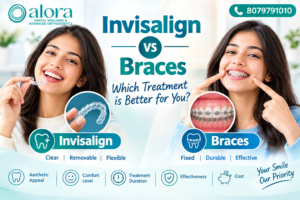
Orthodontic treatment can help improve the alignment of teeth and the relationship between the upper and lower jaws. Depending on the individual’s needs, treatment may involve traditional braces, clear aligners, or other orthodontic appliances. A detailed assessment is important because orthodontic treatment should be planned according to the patient’s age, dental condition, bite, and treatment goals.
9. Teeth Grinding and Jaw Discomfort
Teeth grinding, or bruxism, involves repeated clenching or grinding of the teeth. It can happen while a person is awake or during sleep, when they may not even realise it is occurring. Persistent grinding can put excessive pressure on teeth and jaw muscles and may gradually contribute to tooth wear or sensitivity.
Possible signs include:
- Flattened or worn teeth
- Increased tooth sensitivity
- Jaw stiffness
- Facial muscle discomfort
- Morning headaches
- Cracked or damaged teeth
The dentist will examine the teeth and look for evidence of too much grinding. A professionally made mouthguard may help in protecting the teeth depending on the circumstances. Identification and management of any factors that may contribute to bruxism could also be an essential component of bruxism treatment.
10. Wisdom Tooth Problems
A wisdom tooth is the last tooth that grows in one’s mouth, and there might not be sufficient space for it to grow. If a wisdom tooth is impacted or it grows in the wrong position, this causes pain and makes cleaning difficult.
Common symptoms may include:
- Pain at the back of the mouth
- Swollen gums
- Jaw discomfort
- Difficulty opening the mouth
- Food getting trapped around the tooth
- Repeated gum inflammation
A dental examination and appropriate imaging can help determine the position of wisdom teeth. Some wisdom teeth may simply be monitored, while others may require treatment or removal depending on their condition and effect on surrounding structures.
How to Prevent Common Dental Problems
Prevention is one of the most effective ways to protect your teeth and gums. Good oral hygiene should be part of your everyday routine rather than something practised only when a dental problem develops.
Important preventive habits include:
- Brush your teeth using fluoride toothpaste twice daily.
- Floss regularly.
- Gently clean your tongue to minimise the build-up of bacteria.
- Cut down on eating sugary snacks frequently.
- Drink adequate amounts of water.
- Do not smoke.
- Do not use your teeth to cut anything.
- Use proper protection while playing contact sports.
- Change your toothbrush after the bristles get worn out.
- Schedule regular dental examinations and professional cleanings.
Regular dental check-ups are particularly important because some dental problems can develop without obvious symptoms. A professional examination can help identify early cavities, gum problems, enamel damage, and other concerns before they become more difficult to manage.
When Should You Visit a Dentist?
Dental problems are mostly addressed after they start causing pain, but this should not always be the case because there could be dental issues that will develop without the individual experiencing any pain at all.
Consider scheduling a dental consultation if you experience:
- Pain in your teeth
- Gums bleeding or swollen
- Increased tooth sensitivity
- Cracked or broken tooth
- Bad breath
- Loosened teeth
- Swelling of the face or jaws
- Difficulty chewing
- A new cavity or visible tooth damage
- Problems with crooked or crowded teeth
An early dental examination is essential in determining the source of the problem and allowing appropriate treatment to begin at an earlier stage.
Dental Care at Alora Dental Wellness
Alora Dental Wellness and Advanced Orthodontics focuses on providing comprehensive dental care based on individual patient needs. Depending on the condition being treated, dental care may include preventive treatments, professional teeth cleaning, fillings, root canal treatment, dental implants, tooth replacement, orthodontic treatment, clear aligners, cosmetic dentistry, teeth whitening, and tooth extraction.
The treatment required by every patient is unique. The dentist will perform an appropriate examination of the teeth and gums in order to provide a patient with necessary information about their dental condition and propose an individualised treatment plan. Timely professional treatment can be a way to save natural teeth and promote a healthier smile.
Keep Your Smile Healthy
Common dental problems can affect your comfort, appearance, confidence, and overall quality of life, but many can often be avoided or effectively treated when addressed at the right time. Cavities, gum disease, sensitivity, toothaches, bad breath, cracked teeth, missing teeth, misalignment, teeth grinding, and wisdom tooth concerns all require different approaches, which is why professional diagnosis is important.
A strong oral health routine begins at home with regular brushing, cleaning between the teeth, a balanced diet, and sensible lifestyle choices. Regular dental examinations are equally important because they allow potential problems to be identified before they become more complicated. If you notice pain, bleeding, swelling, sensitivity, changes in your bite, or any other unusual dental symptoms, consulting a qualified dental professional is a sensible next step.