One of the dental conditions that is prevalent among both adults and children is toothache. It can be a sharp or throbbing pain and may be continuous. At times, pain in the tooth arises because of consuming something that’s either hot or cold, but there are situations where the toothache becomes very severe to an extent that interferes with daily activities. Understanding the causes of toothache and seeking timely dental care can help prevent complications and protect your natural teeth.
At Alora Dental Wellness and Advanced Orthodontics, Bangalore, patients can receive personalised dental care to identify the cause of the tooth pain and determine the best treatment. Early diagnosis is important because toothache may indicate an underlying problem that requires professional attention.
What Is a Toothache?
Toothache is defined as the pain that is felt in the teeth. This kind of pain may develop over time or come abruptly depending on its cause.
Toothache commonly occurs when tooth decay, damage, gum problems, or infection affects the sensitive inner tissues of the tooth. Sometimes, pain may also originate from the surrounding gums or a wisdom tooth that is unable to erupt properly.
Though one can experience temporary relief through proper care at home, it is important that persistent toothache should not be left untreated. A visit to the dentist will make it easy for you to detect the issue before it becomes more serious.
Common Causes of Toothache
Several dental conditions can cause tooth pain. The process of finding out what the underlying reason is helps solve the problem.
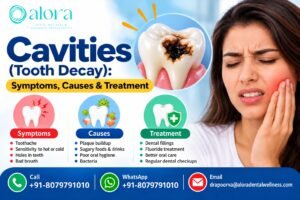
1. Tooth Decay and Cavities
Tooth decay results from the development of acids by bacteria within the mouth and slowly dissolving the enamel. The decay will penetrate through to the inner tooth layers and cause sensitivity and pain. If left untreated, tooth decay may infect the tooth pulp.
2. Dental Abscess
Dental abscesses result from an infection formed due to bacterial infection, leading to the formation of pus. These abscesses can form at either the roots of the teeth or the gums. Some of the symptoms of dental abscesses include throbbing pain, swelling, fever, and bad taste in the mouth.
3. Cracked or Broken Teeth
Cracking and breaking of a tooth can be caused by biting into hard foods, accidental injuries, or grinding of the teeth. Injured teeth can hurt while chewing and while reacting to temperature changes. Cracks may not always be easily visible without the help of a dentist.
4. Gum Disease
Tender, swollen gums along with bleeding and pain in the teeth are caused by gum infection and advanced gum disease. With the progression of the problem, the support structures might get damaged, resulting in loose teeth.
5. Tooth Sensitivity
Some individuals experience sharp pain while eating hot, cold, sweets, or acidic food items. Tooth sensitivity could be due to thinning of the enamel, exposed roots, gum recession, or cavities. Dentists must check out cases of constant tooth sensitivity.
6. Wisdom Tooth Problems
In some cases, wisdom teeth might not have enough space for eruption. This would result in pain, swelling, food deposits, and inflammation in the area. The dentist would decide the course of action in such a case.
Common Symptoms of Toothache
Toothache symptoms differ from case to case based on the cause of the problem. Some of the symptoms are:
- Sharp, dull, or throbbing tooth pain
- Pain while chewing or biting
- Hot or Cold Sensitivity
- Swollen, red, or tender gums
- Pain that spreads towards the jaw, ear, or head
- An unpleasant taste or bad breath
- Swelling around the cheek or jaw
- Fever or difficulty opening the mouth in cases of infection
If these symptoms persist, worsen, or interfere with your daily routine, arrange a dental appointment. Severe pain accompanied by swelling or fever may require urgent attent
How Is Toothache Diagnosed?
The dentist will examine the tooth, the gums surrounding it, and other parts of the mouth to ascertain the origin of the pain. The diagnosis may involve looking for cavities, cracks, gum infections, and any form of infection.
If the dentist identifies particular symptoms, he may order for X-rays to determine any issues that may be present under the tooth surface or its roots. Based on the diagnosis results, the dentist can offer some recommendations.
Accurate diagnosis is essential because different causes of toothache require different treatments.
Treatment Options for Toothache
Toothache treatment depends on the cause, severity, and condition of the affected tooth.
Dental Fillings
In cases where tooth decay is localised in a place that can be restored using a filling, a dentist removes the decayed part of the tooth and fills the tooth with the appropriate filling.
Root Canal Treatment
If decay or injury damages or infects the dental pulp, root canal treatment may be recommended. The procedure consists of removing the diseased pulp, clearing and disinfecting the root canals and then sealing them. The tooth may also require a crown to protect it from further damage.
Gum Treatment
If there is any pain in the teeth due to gum disease, then the treatment can include cleaning by the dentist and other procedures according to the condition. Oral hygiene is vital for keeping gums healthy.
Wisdom Tooth Treatment
If there is any impacted or semi-impacted wisdom tooth causing pain or infections, then the dentist can advise suitable treatment. Removal can be considered in some cases.
Tooth Extraction
Extraction may be considered when a tooth is severely damaged, cannot be restored, or has another condition that makes removal the most suitable option. Whenever possible, treatment planning considers whether the natural tooth can be preserved.
Medications to relieve pain are sometimes helpful in relieving the pain but are not a cure for all dental problems. Not all toothaches need antibiotics, which should be taken only under prescription from an authorised healthcare provider.
Home Remedies for Temporary Toothache Relief
Before visiting the dentist, some ways can help relieve pain:
- Gargle your mouth with warm salty water and spit it out.
- Eat soft food and avoid chewing from the painful side.
- Avoid very hot, cold, sweet, or hard foods if they trigger pain.
- Brush gently with a soft-bristled toothbrush.
- Ask a pharmacist or dentist about suitable pain-relief medication and follow the recommended instructions.
Do not apply aspirin to the tooth or gums since it can cause damage to the tissues. Do not apply any substance to the affected part of the mouth or take antibiotics left over from previous use.
These are some temporary ways to alleviate the pain.
When Should You Visit a Dentist?
It is important to consult your dentist if your toothache persists for more than one or two days, keeps returning, or does not go away despite taking the necessary measures to alleviate the pain. Other reasons for which you need dental treatment include pain when chewing, swelling of the gums, damaged teeth, and a constant bad taste in your mouth.
Go to the dentist immediately if you suffer from serious pain, facial swelling, fever, or signs of a dental infection. If swelling affects your breathing or swallowing, seek emergency medical care immediately.
Early treatment can help prevent the problem from progressing and may reduce the need for more complex procedures.
How to Prevent Toothache
Regular oral hygiene and dental check-ups could reduce the risk of many common causes of toothache. Follow these preventive measures:
- Brush at least two times per day for two minutes using fluoride toothpaste.
- Floss daily, utilising either dental floss or interdental brushes.
- Consume less sugar-containing food and beverages.
- Maintain a balanced diet and make sure you drink lots of water.
- Do not chew on any hard objects.
- Protect your mouth while playing contact sports.
- Visit your dentist as frequently as required.
Preventive dental care helps identify cavities, gum problems, and other concerns before they cause significant discomfort.
Toothache Treatment at Alora Dental Wellness, Bangalore
Toothache can affect your comfort, eating habits, sleep, and overall quality of life. Finding the cause early is important for relieving pain and protecting your oral health.
Alora Dental Wellness and Advanced Orthodontics, situated in Thanisandra, Bangalore, provides individualised dental care according to personal requirements. Alora Dental Wellness and Advanced Orthodontics provides dental treatments like fillings, root canal treatment, gum treatment, and tooth extraction where necessary.
If you have any pain in your teeth or discomfort in chewing food, you should visit a dentist who will give proper advice on what treatment to undergo.