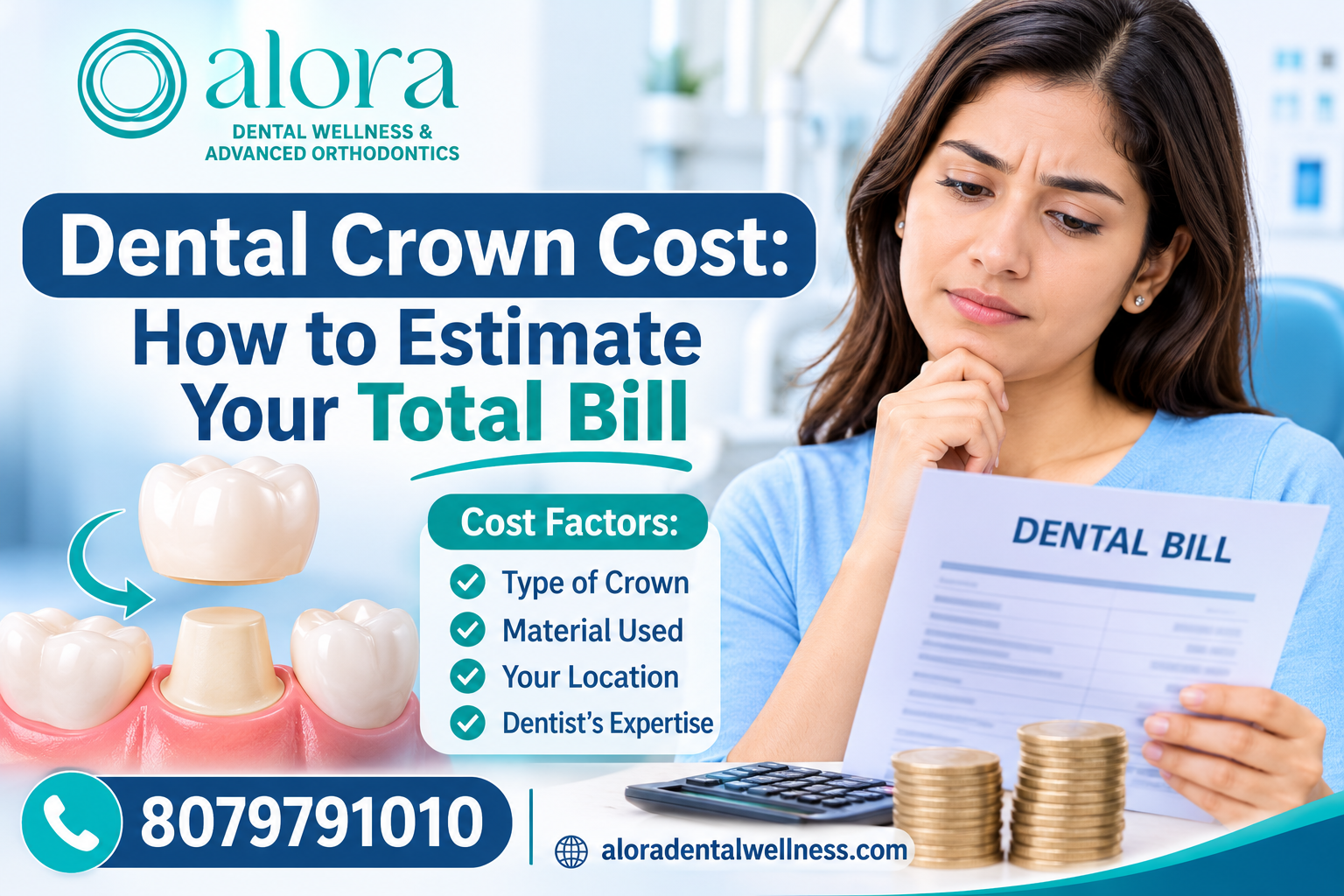
A crown estimate can be hard to judge when the bill includes more than the crown itself. Your dental crown cost may also cover the work needed to prepare your tooth and fit the final restoration.
The material, tooth location, and state of the tooth can all affect the price. Insurance, local fees, and added treatment, such as a root canal, may change what you pay.
There’s no single price that fits every patient or area. Ask for a written, itemised estimate based on your treatment plan, then confirm coverage and fees before treatment begins.
What a dental crown cost estimate should include
A crown’s listed fee may cover only part of the treatment. Read the estimate closely to see which services are included and which may appear as separate charges.
Separate the crown fee from the full treatment cost
The total price of the crown could involve the examination, x-ray, tooth shaping, a temporary crown, laboratory work, and final fitting of the crown. Some dentists might add all the charges together under one price, while others might charge you individually for each service.
Ask whether the estimate includes both the temporary and final crown. A temporary crown protects the prepared tooth while the permanent one is made, but its fee may be bundled with other services.
Check whether additional procedures are needed.
A tooth may need a root canal before it can support a crown. If too little tooth remains, the dentist may recommend a core buildup to create a stable base. Either procedure can raise the total cost.
Ask which services your dentist expects to provide and which might be needed only after treatment starts. Your written estimate should say what is included and explain how the office will handle any new work.
Compare prices using current local information
Since dental costs differ depending on location and dental office, the cost of service in a different city will not be helpful for budgeting. When comparing local cost estimates, ensure that the dates match and that each estimate includes the same treatments and services.
A low crown fee may leave out imaging, preparation, or a buildup. Compare the full treatment plan rather than a single line on the bill.
Why material and tooth location affect dental crown cost
Two crowns can have different prices because they use different materials or restore different teeth. Your dentist should explain why a certain option suits your tooth and how it affects the fee.
Compare common crown materials.s
Porcelain and ceramic crowns can match the colour of nearby teeth, which may make them a good option for visible areas. Crowns made of porcelain fused to metal have a metal foundation and tooth-colored outer layer. Metal crowns are often used where strength matters more than appearance.
Each material has trade-offs in appearance, strength, and cost. Your dentist can explain which options are suitable for the tooth, rather than treating one material as right for everyone.
Consider where the crown will be placed.
A crown on a front tooth may require the most seamless integration into your smile. Back teeth endure higher amounts of chewing forces so this strength factor may influence the decision more than any other.
The condition of the tooth is another important factor. How much sound tooth structure remains, what kind of bite you have, and the proposed course of treatment all come into play.
Ask how the material fits your needs.
Ask how the proposed crown may look and hold up on that tooth. Find out what could happen if it chips, loosens, or needs repair or replacement.
You can also ask whether another material would work and how it would change the fee. The optimal solution will depend upon your specific clinical needs, appearance goals, and budget.
How insurance and payment options change your dental crown cost
The dental fee is the full price charged by the dentist. The out-of-pocket cost is the difference after your insurance and financial arrangements are taken into consideration.
Review your dental plan before treatment.
Plans might have a deductible, coinsurance, an annual maximum and a limit on how often the plan will provide coverage for a crown. There could also be waiting period clauses for new crowns.
Coverage depends on your specific plan and the tooth being treated. Call your insurer to ask what benefits apply, what you may owe, and whether the plan has any limits.
Request a pre-treatment estimate.
Ask the dental office to send the proposed treatment plan to your insurer before work begins. Review the insurer’s response with the office so you understand the likely patient share.
A pre-treatment estimate can help with planning, but it may not guarantee payment. The final decision can depend on your eligibility, remaining benefits, and plan rules when the claim is processed.
Explore payment arrangements
Find out if the dental practice provides financing options or payment plans. Look into the fees, interest, due dates, and late penalties before agreeing to anything.
Some universities and colleges run dental schools which offer discounted treatment, although availability and other restrictions may apply. Find out the types of treatment provided and if the service fits the clinic.
How to compare crown estimates without sacrificing care
The differences between the estimates may be due to different materials used or different services recommended. Comparing estimates clearly will help determine whether they include similar treatments and services.
Ask for an itemised written estimate.
Request separate fees for the crown, exam, imaging, tooth preparation, and added procedures. Ask what could change the amount and how the office will tell you before doing extra work.
Keep the estimate together with the insurer’s reply. This will allow you to detect any missed services and know what costs are to be covered by yourself.
Get a second opinion when recommendations differ.
If two dentists suggest different treatment or give very different estimates, another opinion can help clarify your options. Bring relevant images and records when possible to avoid repeating tests.
Ask each dentist to explain the reason for the recommended treatment. A second opinion is most useful when it compares clinical needs as well as fees.
Compare treatment plans, not just headline price.s
Examine the offered material, services, follow-up appointments, and the policy for repair/warranty. Question how the proposed scheme by the dentist is different from the other one.
The lowest quoted fee may not cover the same work. Compare the full cost and care plan before deciding.
How to prepare for crown treatment and avoid surprise costs
Before agreeing on the treatment plan, ensure that you understand the schedule, possible costs, and the actions taken by the office in case of a change in treatment protocol.
Confirm the timeline and number of visits.
Some crowns require more than one visit, while others may be made and placed in one visit. Timing depends on the tooth, the office’s process, and the crown method.
Ask whether the estimate includes a temporary crown and any follow-up visit. Confirm when the final crown is expected and how the office will contact you if the schedule changes.
Ask what could change the final bill.
Ask whether the dentist expects any complications or added work. Find out whether the office will pause and discuss new fees with you before proceeding.
You can also ask what happens if the tooth needs more treatment after preparation. A clear plan helps you decide how to handle possible added costs.
Keep estimates and insurance responses together.
Keep the proposed treatment plan, information from your insurance company, receipts and the list of recommendations together. This will assist you in checking the bills for possible inconsistencies between the estimate and the actual costs.
Conclusion
Costs of dental crowns vary depending on the tooth, the material, services needed, local rates and your insurance policy. In order to prepare for this procedure better, ask for an itemised estimate, check the coverage, and review the possible treatment options.
Compare complete treatment plans, not just crown fees. Discuss the clinical choices and expected costs with your dentist, and use current local estimates to plan your budget.