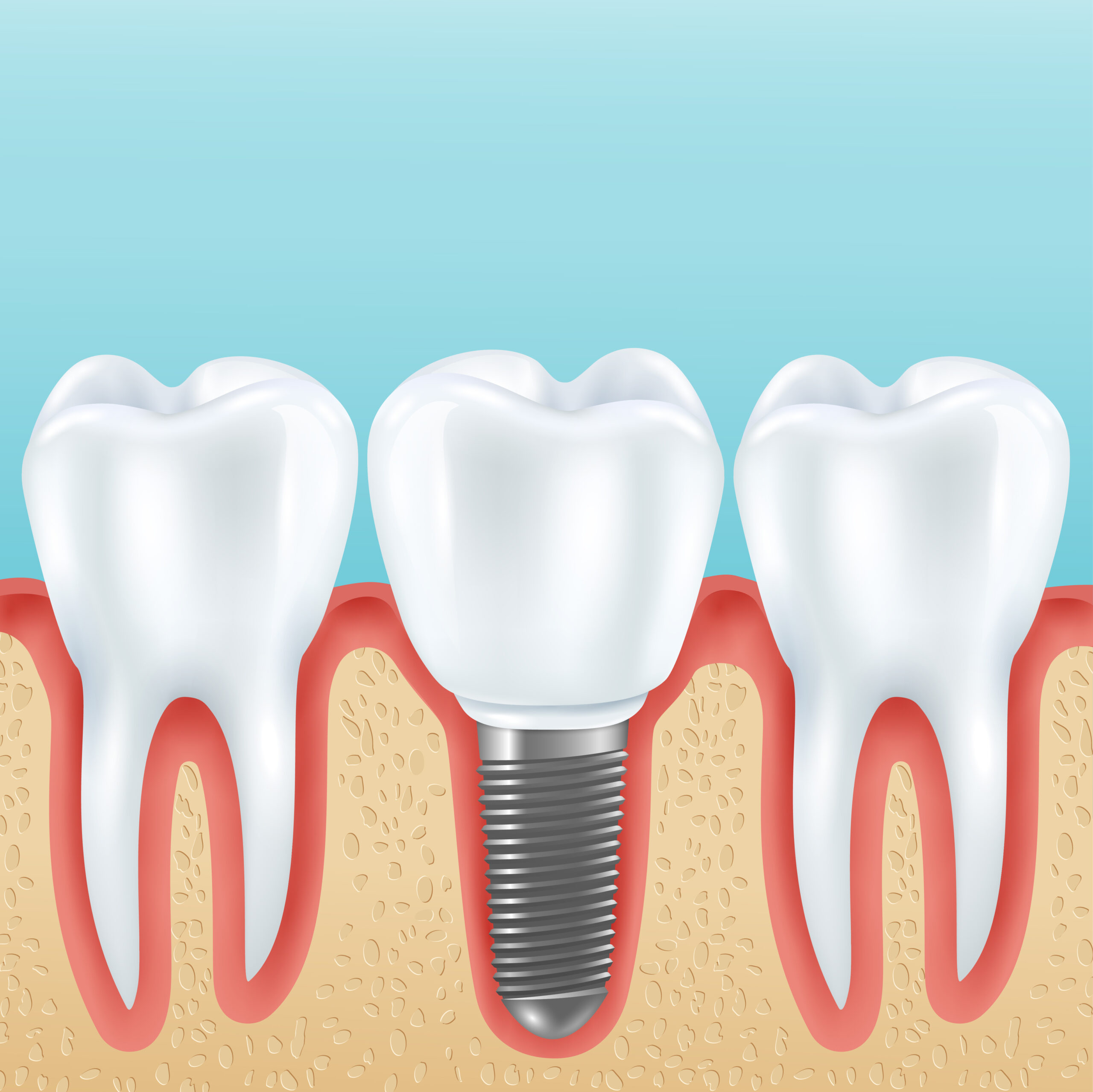
Dental implants have transformed modern dentistry by providing a permanent, natural-looking solution for missing teeth. Unlike traditional dentures or bridges, implants are designed to replace the root of a missing tooth and provide a stable foundation for crowns, bridges, or dentures. Dental implants not only restore the appearance of your smile but also improve chewing ability, speech, and overall oral health.
At Alora Dental Wellness and Advanced Orthodontics, Dr. Apoorva Gopi focuses on advanced and personalized dental treatments that help patients regain confidence in their smiles. Understanding the different types of dental implants can help patients make informed decisions about their dental care.
In dentistry, there are three main types of dental implants:
- Endosteal implants
- Subperiosteal implants
- Zygomatic implants
Each type is designed for different oral conditions and bone structures. Let’s explore them in detail.
Understanding Dental Implants
A dental implant is essentially an artificial tooth root, usually made from biocompatible materials like titanium or zirconia. It is surgically placed into the jawbone where it fuses with the bone through a process called osseointegration. Once healed, the implant acts as a strong anchor for replacement teeth.
Dental implants are widely considered one of the most reliable solutions for missing teeth because they preserve jawbone health and provide long-lasting results.
1. Endosteal Implants
Endosteal implants are the most common and widely used type of dental implant. These implants are placed directly into the jawbone and act as artificial tooth roots.
They are typically shaped like small screws, cylinders, or blades and are usually made from titanium.
How Endosteal Implants Work
The procedure involves placing the implant into the jawbone during a minor surgical procedure. After placement, the bone gradually fuses with the implant over several months. This fusion provides a stable base for the artificial tooth or dental crown.
Who Is a Good Candidate?
Endosteal implants are suitable for patients who:
- Have a healthy jawbone with sufficient bone density
- Maintain good oral hygiene
- Are generally healthy enough for minor surgery
- Want a long-term solution for missing teeth
Benefits of Endosteal Implants
- Strong and stable support for artificial teeth
- Natural appearance and function
- High success rate (around 95–98%)
- Long lifespan with proper care
Because of their durability and effectiveness, endosteal implants are considered the gold standard in dental implant treatments.
2. Subperiosteal Implants
Subperiosteal implants are a less common type of dental implant. Instead of being inserted into the jawbone, these implants are placed on top of the jawbone but beneath the gum tissue.
They consist of a metal framework that rests on the bone, with posts protruding through the gums to support artificial teeth.
How Subperiosteal Implants Work
During the procedure, a metal frame is positioned on the jawbone beneath the gum tissue. As the gums heal, they hold the frame in place. The posts attached to the frame then support crowns, bridges, or dentures.
Who Is a Good Candidate?
Subperiosteal implants are recommended for patients who:
- Do not have enough jawbone density
- Cannot undergo bone graft surgery
- Prefer a less invasive implant solution
Benefits of Subperiosteal Implants
- Suitable for patients with bone loss
- Avoids bone grafting procedures
- Faster healing in some cases
- Provides stable support for dentures
However, because of advancements in implant technology and bone grafting techniques, subperiosteal implants are used less frequently today.
3. Zygomatic Implants
Zygomatic implants are the most advanced and complex type of dental implant. These implants are anchored in the zygomatic bone (cheekbone) rather than the jawbone.
They are typically recommended when a patient has severe bone loss in the upper jaw and traditional implants cannot be placed.
How Zygomatic Implants Work
Unlike traditional implants that rely on the jawbone, zygomatic implants are longer and are inserted into the dense cheekbone. This bone provides a strong and stable anchor for the implant.
Who Is a Good Candidate?
Zygomatic implants are usually recommended for patients who:
- Have severe bone loss in the upper jaw
- Cannot undergo bone graft procedures
- Need full-mouth restoration
- Have been told they are not candidates for conventional implants
Benefits of Zygomatic Implants
- Eliminates the need for bone grafting
- Provides strong support for full arch restorations
- Faster treatment in some cases
- Effective solution for complex dental cases
Because the procedure is more complex, it requires an experienced implant specialist.
Comparing the Three Types of Dental Implants
Here’s a quick comparison of the three implant types:
| Implant Type | Placement | Best For |
| Endosteal | Anchored in the cheekbone | Most patients with healthy bone |
| Subperiosteal | On top of the jawbone, under the gums | Patients with moderate bone loss |
| Zygomatic | Severe bone loss in the upper jaw | Severe bone loss in upper jaw |
Each implant type serves a specific purpose and is chosen based on a patient’s bone structure, oral health, and treatment goals.
Which Dental Implant Is Right for You?
The best type of dental implant depends on several factors, including:
- Jawbone density
- Number of missing teeth
- Overall oral health
- Lifestyle habits such as smoking
- Budget and treatment goals
At Alora Dental Wellness and Advanced Orthodontics, Dr. Apoorva Gopi conducts detailed consultations using digital scans and personalized treatment planning to determine the most suitable implant option for each patient.
Conclusion
Dental implants are one of the most advanced and reliable treatments available for replacing missing teeth. Whether it’s the commonly used endosteal implants, the alternative subperiosteal implants, or the specialized zygomatic implants, each option provides unique benefits depending on the patient’s needs.
Choosing the right implant requires professional evaluation, expertise, and modern technology. With the right care and maintenance, dental implants can last for decades and significantly improve both oral health and confidence.
If you are considering dental implants or want to learn more about your options, consult Dr. Apoorva Gopi at Alora Dental Wellness and Advanced Orthodontics. With a patient-focused approach and advanced dental solutions, the clinic is dedicated to helping every patient achieve a healthier, brighter smile.