Tooth decay is one of the most common dental problems affecting children and adults. It occur when the acids produced by bacteria in the mouth erode the tooth’s enamel gradually damage the protective outer layer of the teeth, known as enamel. If left untreated, this damage can progress deeper into the tooth, causing sensitivity, pain, infection and, in severe cases, tooth loss. Recognising the early signs of cavities and seeking timely dental care can help protect your natural teeth.
At Alora Dental Wellness in Bangalore, patients can receive professional evaluation and personalised treatment for dental cavities based on the condition of their teeth. A brief explanation of the causes, symptoms, and treatment methods is an important step towards maintaining long-term oral health.
What Are Dental Cavities?
Cavities in teeth or tooth decay is a term used to refer to the damages that occur in a tooth’s structure as a result of acids. This occurs due to the formation of plaque, a layer of bacteria that forms in the mouth. As these bacteria use the sugar from food to produce acids, they cause erosion in the tooth’s enamel.
This can eventually lead to formation of holes in the teeth caused by loss of minerals due to the continuous attacks of these acids. Cavities can be difficult to identify because they do not have any symptoms until they are well developed.
Common Symptoms of Tooth Decay
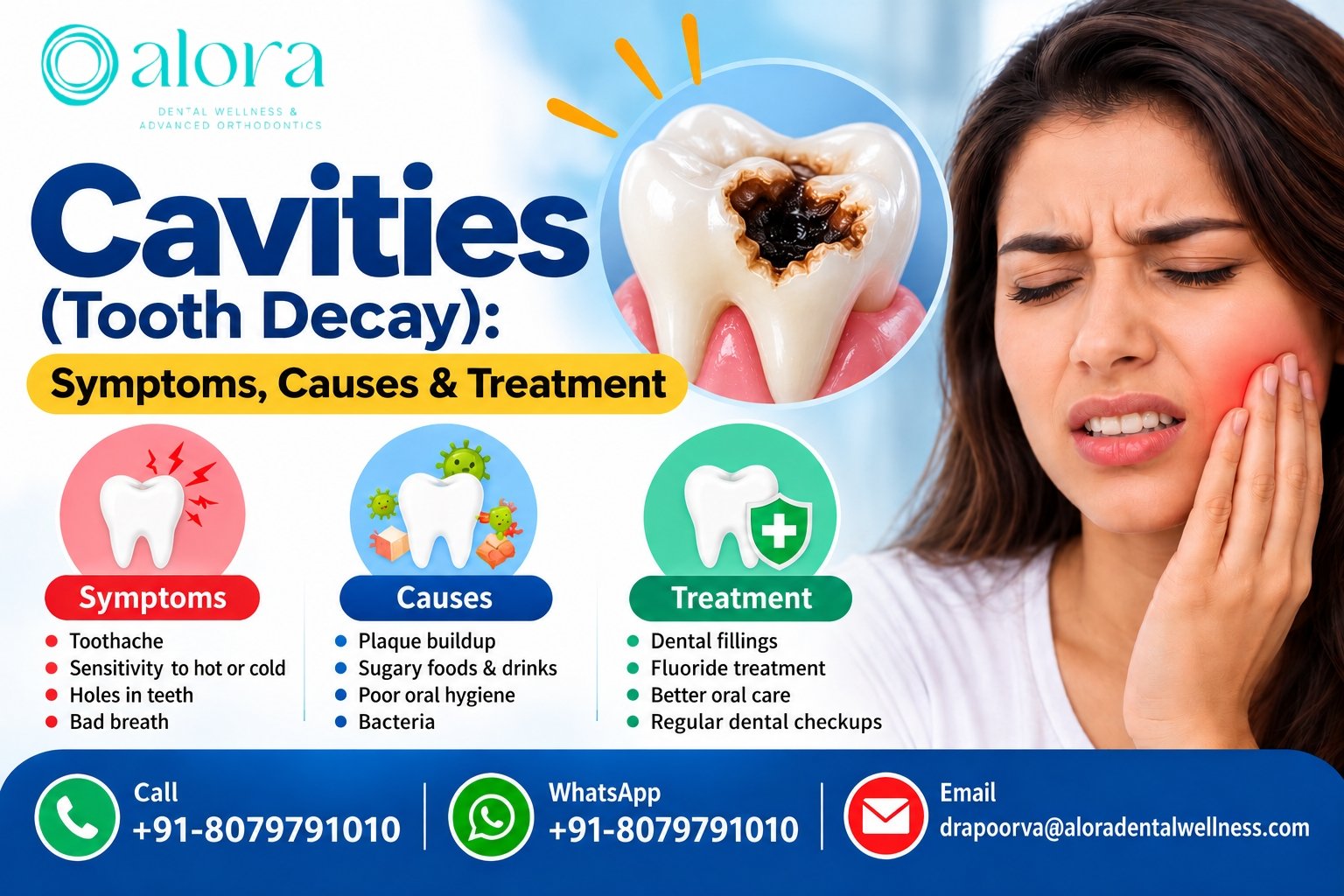
Cavities will show various symptoms depending on the extent of the decay process. In some cases, one will not feel any pain at all, while in others, pain may occur or they become sensitive.
1. Tooth Sensitivity
Being sensitive to hot, cold, and sweet foods and drinks shows that there is already an erosion of the enamel. If the discomfort occurs repeatedly in the same tooth, a dental examination is advisable.
2. Toothache or Pain While Chewing
Pain can result when one bites or chews food due to a cavity. The pain occurs as the decay advances towards the interior pulp, which houses the nerves and blood vessels may become more intense or persistent.
3. Visible Spots or Holes
White, brown or black stains can occur on the surface of the teeth. Pits and cavities will be visible as a result of the destruction of the tooth structure. Nevertheless, not all discolourations are necessarily cavities.
4. Food Getting Stuck Between Teeth
If food repeatedly becomes trapped in the same area, it could indicate a cavity, a damaged filling or another dental issue. Persistent food trapping should be evaluated by a dentist.
5. Bad Breath or an Unpleasant Taste
In cases of advanced decay, it is possible to have halitosis and/or a bad taste in the mouth, especially because of bacterial infections that occur around such areas.
6. Swelling and Severe Pain
An infected tooth will show symptoms of being swollen and painful due to untreated decay. Some of the symptoms of a more serious issue include facial swelling, fever and difficulty opening the mouth, which require urgent dental attention.
What Causes Dental Cavities?
Several factors contribute to tooth decay. Understanding them can help you make better decisions about your daily oral hygiene and eating habits.
Poor oral hygiene: Inadequate brushing and cleaning between the teeth allow plaque to accumulate. Over time, acids produced by plaque bacteria can weaken the enamel.
Consumption of sweet foods and beverages: Sweet foods, biscuits, sugary beverages and frequent snacking increase the opportunities for bacteria to produce acids that attack the teeth.
Insufficient fluoride: Fluoride helps strengthen enamel and supports the repair of early mineral loss. Inadequate fluoride exposure can make teeth more vulnerable to decay.
Dry mouth: Saliva is involved in cleansing the mouth and neutralising acids. Lack of saliva increases the chances of dental decay. Certain medications and health conditions may contribute to dry mouth.
Deep grooves in teeth: The chewing surfaces of molars contain grooves where food particles and plaque can collect, making these areas more difficult to clean.
Irregular dental check-ups: Some cavities develop in areas that are difficult to see or do not cause pain initially. Delaying dental visits can allow decay to progress unnoticed.
Different Stages of Tooth Decay
Tooth decay usually passes through various stages.
- Mineral loss: There is loss of minerals in the enamel that might cause white spots. This stage can be corrected through proper application of fluoride and dental hygiene.
- Decay of the enamel: The protective layer of teeth is affected, and there is a formation of cavities.
- Decay of the dentin: The decay affects the softer substance that is below the enamel.
- Pulp involvement: Bacteria reach the inner pulp, which may cause significant pain and inflammation or infection.
- Dental abscess: An infection may develop around the root of the tooth, causing swelling and severe discomfort.
Treatment becomes more complex as the decay progresses, which is why early dental assessment is beneficial.
Dental Cavities Treatment in Bangalore
The appropriate treatment depends on the depth of the cavity, taking into account the amount of healthy tooth remaining and whether the pulp is affected. At Alora Dental Wellness, a dentist can examine the affected tooth and recommend a suitable treatment plan.
1. Fluoride Treatment for Early Decay
In case there is tooth decay without any cavity being formed, the dentist might prescribe fluoride varnish or any other form of fluoride therapy. This fluoride can help in remineralisation of tooth enamel, but it does not work if there is already a hole in the tooth.
2. Dental Fillings
Dental filling is used when decay causes a cavity, but there is enough tooth to be filled without resorting to root canal therapy. Decay is cleaned out from the tooth, and the prepared areas are filled with an appropriate restorative material.
Tooth-coloured fillings can restore the tooth’s shape and function while maintaining a natural appearance. With proper care, a filling can help protect the treated tooth from further damage.
3. Root Canal Treatment
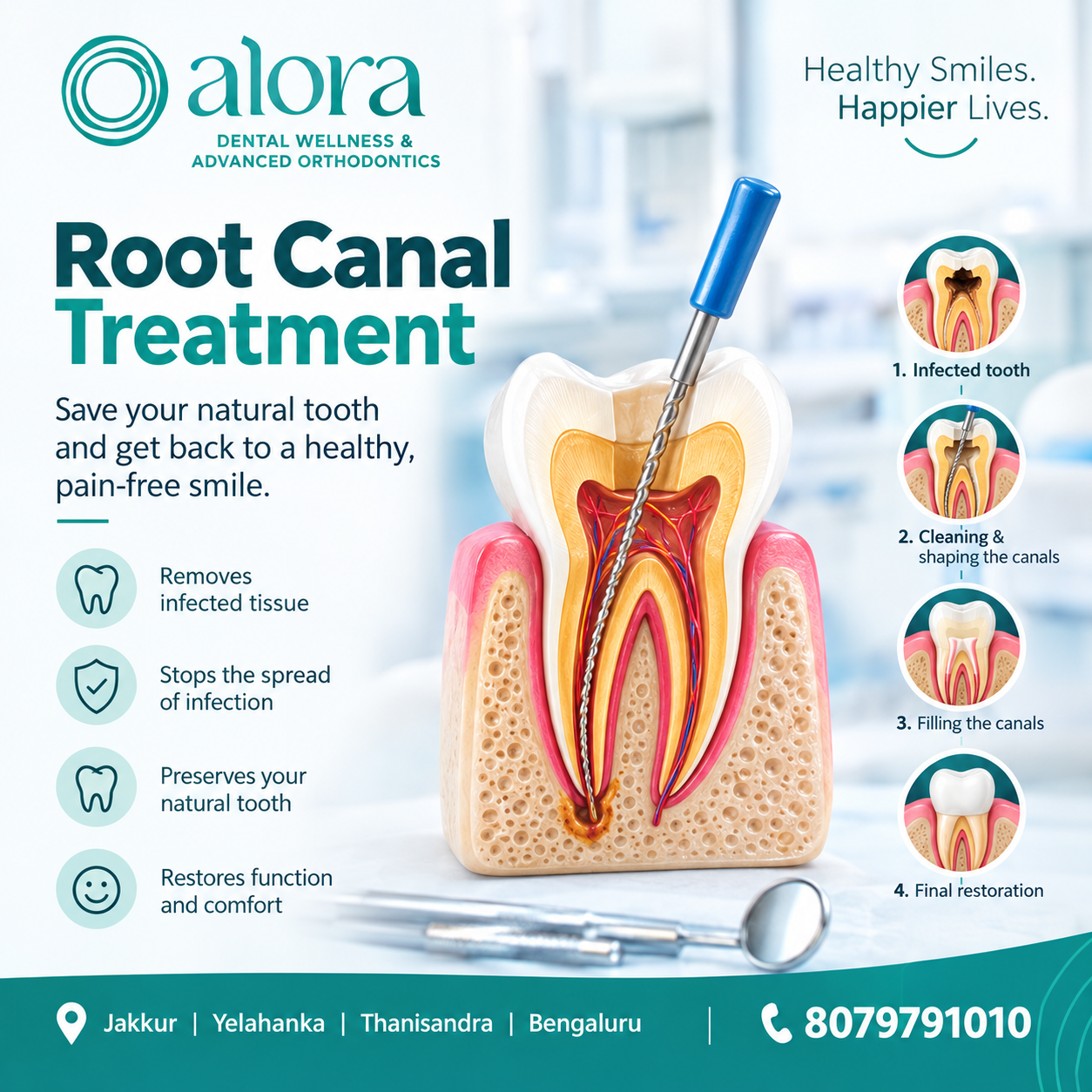
If the decay gets into the pulp and causes inflammation or infection that cannot be treated, a root canal procedure might be advised. In such a case, the diseased pulp is extracted, and the canals are cleaned and sealed. A crown may be recommended when additional protection is needed.
4. Dental Crown
If extensive decay has weakened a tooth, a dental crown is necessary for covering and protecting the remaining structure. The dentist will determine whether a filling or crown is appropriate based on the amount of healthy tooth remaining.
5. Tooth Extraction
The removal of the tooth might become inevitable if it is too damaged to restore. Maintaining the structure of natural teeth is always preferable; however, in some cases, this is not possible due to the severity of the condition.
How to Prevent Tooth Decay
Regular oral hygiene habits can prevent tooth decay to a great extent.
- Clean your teeth at least twice a day using fluoridated toothpaste.
- Brush your teeth using dental floss or interdental brushes daily.
- Eat less sugary food and drinks.
- Drink water regularly and seek advice if you experience persistent dry mouth.
- Do not use your teeth for opening packets and biting hard objects.
- Schedule regular dental check-ups according to your dentist’s recommendations.
- Ask your dentist whether fluoride treatments or dental sealants are suitable for you or your child.
Children should also receive appropriate dental care from an early age because cavities can affect both baby teeth and permanent teeth.
When Should You Visit a Dentist?
Do not wait for the pain to become excruciatingly severe to seek dental assistance. Schedule an appointment when you encounter tooth sensitivity, spots or cavities on your teeth, toothache or difficulty chewing food. In cases where the decay is already extensive, treatment can become more complicated.
Go to your dentist immediately if you have extreme pain, swelling, fever or indications of an infection spreading throughout your body. Breathing or swallowing difficulties in addition to dental swelling warrant emergency care.
Get Professional Cavity Treatment at Alora Dental Wellness, Bangalore
Dental cavities can affect your comfort, eating habits and overall oral health, but timely diagnosis and appropriate treatment can help prevent further damage. Maintaining proper oral health and undertaking regular Dental visits are important for maintaining the good condition of your teeth.
Alora Dental Wellness, located in Thanisandra, Bangalore, provides dental care tailored to individual needs, including assessment and treatment of tooth decay. If you have sensitivity, a toothache or a suspected cavity, consult a dental professional to understand the most appropriate treatment for your condition.